Grooming Your Puppy - All Your Questions Answered




When you first welcome a new puppy home, one of the common questions are "how much do puppies need grooming and how do I do it?" While your puppy’s breeder should have given you some advice, this is an area you are going to want to feel confident in and so in this article, we’ll explore your puppy’s grooming needs and what you may need to consider.
Do puppies need grooming?
All puppies require some level of grooming depending on their coat type – from a light wipe over to a full groom - and all puppies need to be checked regularly to ensure they are clean, healthy and have no lumps or bumps.
Grooming involves taking care of your puppy’s appearance and making sure they are clean – an important task, considering how mischievous puppies can be!

The benefits of puppy grooming
- Keeps your puppy clean and looking at their best.
- Maintains a healthy skin and coat.
- Improves circulation.
- It should be a great bonding opportunity which improves your relationship and lowers stress and blood pressure – in both of you.
- Helps you notice unusual lumps and bumps, parasites or scratches/injuries – that can easily go unnoticed especially in the hairier breeds.
When should a puppy get his first groom?
Grooming a puppy shouldn’t be a monumental task… it is far better something that is done little and often, so you are always on top of this important area of puppy care.

No matter what kind of coat your puppy has, you should start grooming them from your first couple of weeks together. This is something a puppy should look on as just being a part of life – not something stressful to be dreaded – or else a lot of fun that involves charging around and wrestling!
How often should puppies be groomed?
How often your puppy needs to be groomed depends on what breed or type they are. Puppies with long hair may need to be groomed more often than puppies with short hair. This is because this hair gets dirtier earlier and matted more easily. Dogs with long ears, such as spaniels, may need more attention to be paid to their ears; if any dirt is left there, it could lead to an ear infection which will need the attention of a vet.
Keeping on top of coat care makes grooming easier, stress-free and stops it becoming a chore.
So the answer is “it depends” – every dog is different as is their lifestyle. The best indication will be to ask their breeder as they will have plenty of grooming experience with their beloved breed. Also find a book on your chosen breed that includes information on grooming.

Discover the PRO PLAN dog range
How to Groom Your Puppy
Brushing and General Coat Care
Longer coats need daily attention to avoid knots. A short groom once a day will ensure grooming is easy and stress free for both of you. Trying to untangle a knotted, dirty puppy who hasn’t been groomed for a week will be unpleasant for you both. Do make sure you are grooming right down to the skin however so there aren’t any matts or knots lurking under the top coat.
As your puppy gets older and they get more coat – or are out and about getting muddy and dirty - you will need a more in-depth grooming routine. Again, be guided by your dog’s breeder (or owners of the same breed). Every coat is different and has different needs – and will need different tools to keep their coats in perfect condition.
Introducing Your Puppy to Grooming Tools and Routine
Thankfully you can start getting your puppy used to grooming long before they have a full thick coat. A soft puppy brush or a rubber comb is ideal as it will be enjoyable for you both.
Start slowly, ideally when your puppy is fairly sleepy, grooming the main bits of their body, so they get used to the brush and what it feels like. Give them plenty of treats are you are doing this – so they associate grooming with positive things. You can use a lickimat with food smeared on it to give them something distracting and tasty to be thinking about.

Special Considerations for Short-Haired Puppies
With short haired puppies, they may just need a wipe over with a cloth or a once a week going over with a gentle brush – but eyes, ears, noses and bottoms should still be checked daily – and an occasional bath with keep them fragrant. Once again, be advised by your breeder or other owners of the breed what is needed.
When to Consider Professional Groomers
If you have a long-haired dog, you might consider a professional groomer – and some of the more popular breeds (including the poodle or bichon crosses – such as Cockapoos or Labradoodles etc) will need professional grooming from a young age as their coats can be extremely difficult to manage.
Such groomers have all the facilities to make washing and drying straightforward and usually have a range of services that you can choose from, such as bathing your puppy, cutting their hair, checking their eyes and ears to make sure they are clean, checking their nose to make sure it is moist and not cracked, cleaning out their paws, claw clipping etc. They also check your puppy’s underbelly to make sure it is clean. These services may be useful to make sure your long-haired pup is in the best condition possible.
Grooming 'extras'
Below is a list of common things to take care of when grooming a puppy.
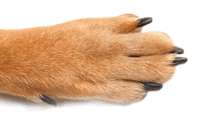
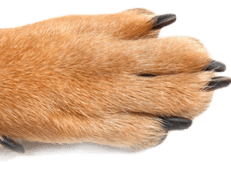
Nail clipping: How to Trim a Puppy's Nails
When to consider nail clipping:
Dogs rarely need to have their nails clipped, as most will keep them worn down when out on regular dog walks – especially if you live in a town or city and your daily walks involve pavements.
If you notice a ripped, torn or missing claw consult your vet as these may need medical attention. If this does happen - apply pressure with cotton wool and the bleeding should soon stop.
A longer-term solution is to make sure your regular walks include some pavement walking so you are wearing down the claws more naturally.
Seeking professional help:
However, if you think they are getting long, pop into your local vet’s practice and ask one of the nurses – or else check with a groomer. They will be able to either check if they need clipping and if so trim or file your dog’s nails.
Most owners don’t feel confident clipping their puppy’s claws (as if you get it wrong, you can damage their confidence in you, your relationship, and be reluctant for you to handle their paws in the future), and so your veterinary surgery or groomer is a much better option.
Tips for DIY clipping (if you choose to):
- If you have spent time with your puppy getting them used to having their paws handled, this should be straightforward.
- If you want to be able to do it yourself, ask a groomer to show you how.
- You will need the correct equipment as it is important that any clippers cut fast and cleanly and not crush the claw first – which even if you avoid the quick, can be painful.
- You will need to look at your dog’s nails before you cut so see where the ‘quick’ ends – this is the sensitive nerve of the nail. You want to avoid cutting the quick as this is extremely painful and will bleed. This must be avoided as it can give rise to a fear of having paws handled that can result in stress and even aggression. It is easier to see this in dogs with white claws but in dark claws it is extremely difficult.
For more tips on clipping your dog's claws, read our useful guide.
How to Brush your Puppy’s Teeth
Dogs need to have clean teeth and good dental care to prevent tooth or gum disease. There are chews that can help keep teeth shiny and healthy, and raw vegetables can also make great toothbrushes. However, you can buy dog toothpaste (don’t use your own… it’s not meant to be eaten and certainly not by dogs) and that usually comes in meat flavours.
As part of your early grooming lessons, you can get your puppy used to having your fingers in their mouth lightly rubbing their gums and slowly building this up to having their teeth brushed. Take this slowly and gently – and only do a few teeth at a time.
You can find more information in our other article on caring for puppy’s teeth.
When to Consider Professional Grooming
If your puppy has a more challenging coat to look after (such as many of the Poodle crosses or the terriers who need hand stripping) you might find a regular professional groom helpful.
FAQs



Related articles