
Kitten Teething Guide: Symptoms and Advice


All kittens go through the process of losing their baby teeth in favour of their adult teeth. This can result in pain and discomfort which results in teething.
Just like humans, kittens do not have visible teeth when they are born. These will come through when your kitten is between 2-6 weeks old and they should have a full set of 26 baby teeth by the time they are 8 weeks old. These won’t last long however – and they will be replaced with 30 adult teeth which will usually all be present by the time your kitten is around 6-7 months old.
While some kittens have a fairly easy time of teething, others may need more help from you from you.
Keep reading to find out more about the process of kitten teething.
When do kittens start teething?
A kitten’s 26 ‘baby teeth’ will start to appear when they are around three weeks of age. Once these baby teeth start to break through and pierce the gums you will see you kitten’s eating behaviour change, as they slowly begin to be able to chew and eat solids. You may also see them chewing on toys or intriguing textures.
By about six to seven weeks of age, most kittens will have grown all their baby teeth. If your kitten hasn’t grown all their teeth by this stage, don’t worry. Not all kittens’ teeth grow at the same rate. However, if there are a number of teeth missing once your kitten reaches nine or ten weeks or if your kitten’s mouth seems sore, you may want to contact your vet to check everything is okay.
At around 12-16 weeks of age however these teeth will begin to drop out to be replaced by their 30 adult teeth. This can cause discomfort or pain and is when the majority of teething will occur.
If you find your kitten’s baby teeth on the floor during this time, don't worry – kitten tooth loss is a natural part of the developmental process.
When do kittens stop teething?
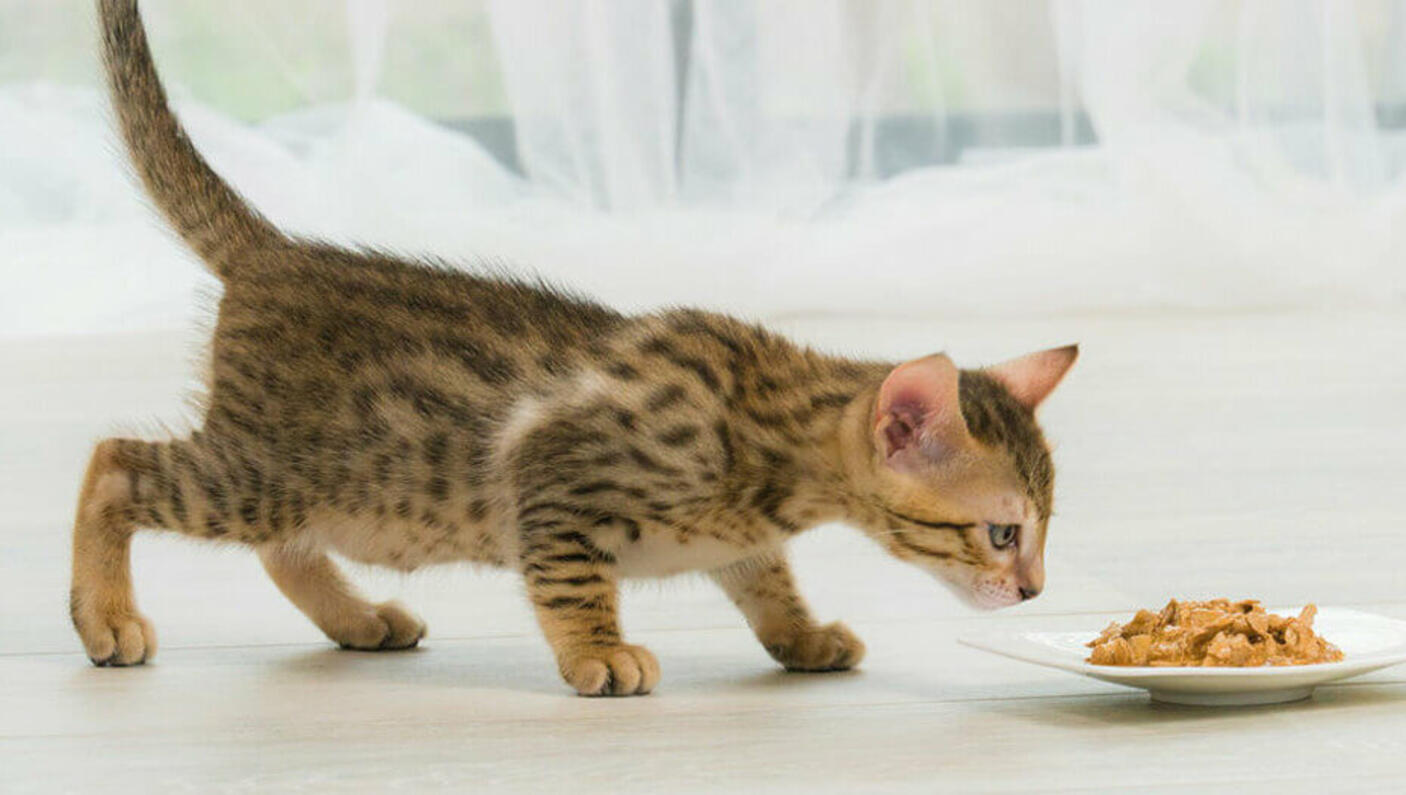
By around six months to seven months of age, most cats should have a full mouth of adult teeth.
Kitten teething symptoms
When your kitten is teething, they may be experiencing some discomfort or pain in their gums and jaw. The most obvious signs of discomfort are:
Inflamed or sore gums
As their adult teeth erupt, kittens may experience mild gingivitis, which can lead to inflamed gums and bad breath. If this is down to teeth erupting, it will usually resolve itself once the teeth are established.
Other signs of discomfort or pain are drooling, bleeding gums, and pawing at the mouth. These can also be signs of other dental conditions, so if you have any concerns at all or just need reassurance everything is normal, see your vet for a check-up.
Increased irritability
Just like human children this is most likely due to discomfort from sore gums and is another sign that your kitten is teething. They may be less social and solicit less contact during this time.
Your kitten has started to eat less
If they are chewing slower than usual, or more tentatively, it could be a sign their gums are hurting. If, however, they seem to be losing weight, pay a visit to your vet, just to be on the safe side.
Urgency to chew or gnaw
A teething kitten will often try to relive the discomfort in their gums by chewing and gnawing on soft or pliable objects. If your cat or kitten starts chewing everything in sight including their bed, your furniture, soft furnishings or toys, it may be a sign that teething has begun or that they are uncomfortable.
How to help a teething kitten
Although kitten teething is a natural process you can help your kitten by:
- Feeding wet food so they don't have to chew – or softening kibble with some water.
- Making sure your kitten has appropriate toys to chew and gnaw.
- Take extra care when playing with your kitten – don’t pull toys that they have grabbed in the mouth.
- Playing with your kitten can be a good distraction but don’t let them chew on your hands or feet (this can become a habit when they get older and have adult teeth and claws).
- Remove anything that could be hazardous to your cat’s health. When kittens begin teething, they may try to chew anything and everything in your house that might give them relief. Electric cables may look particularly appealing to your teething kitten, so make sure you hide them. Toxic materials such as plants should also be removed, so if you have any flowers such as lilies or tulips on display it might be time to take them away. If your cat shows an interest in chewing furniture, provide alternatives in the form of appropriate but similar texture toys.
When your kitten is teething, it’s possible for their teeth to erupt too closely together, in the wrong positions, or to have too many or too few. Your vet will be able to tell you if this is the case.
Kitten teething toys
The most important thing you can do to help your kitten when they are teething is to provide appropriate opportunities to chew and gnaw. There are plenty of choices – and you will quickly find the ones your own cat prefers.
The ideal kitten teething toys should be soft, durable, non-toxic and have a variety of different textures so your kitten can soothe their sore gums. Rubber toys, soft fabric toys and natural ropes can be ideal for this but check them daily for damage and replace regularly. You can also use something like a damp wash cloth twisted and then put in the freezer to chill before giving to your kitten to chew, which some find relieves sore gums.
- Soft chew toys: These are great for kittens to chew on for their sore gums. They are soft enough to not irritate the already sore gum line but can offer respite from discomfort.
- Soft chew toys with cat nip: These are not only soft, but they also contain catnip which many kittens love. It helps them relax and distracts them from the discomfort, whilst still allowing them to gnaw away at the soft fabric.
- Teething rings: Teething rings are usually made of non-toxic latex, foam or soft rubber which can offer your kitten relief thanks to their soft and sometimes spongey texture.
Check all toys regularly for damage and replace any that have pieces coming away that could be swallowed.
The importance of good oral hygiene for teething kittens
Oral and dental issues in cats can generally be avoided by making sure that you’re looking after your cat’s teeth. By doing this, you can prevent other issues later down the line.
Establishing a dental care routine with regular check-ups, dental toys and teeth brushing – after teething is over – can help to maintain their overall dental health. Ask your vet for advice.
Choosing the right food for teething kittens
As your kitten grows into an adult, it’s important that they get everything they need from their diet. A suitable kitten food supports their health and gives them all the nutrients they need for the development of healthy teeth. As well as being designed to meet the specific nutritional needs of kittens, Purina One Kitten helps support your kitten’s oral care with essential nutrients and a crunchy texture.
That is the end of our guide on kitten teething. Want to know more ways to look after your kitten whilst they are growing up? Take a look at our article on kitten socialisation, next.
FAQs


Related articles