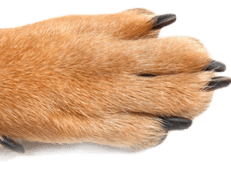


While the occasional snuffle in the soil isn’t usually a problem, if your dog is constantly digging holes in your garden– especially in your flower beds - or if you are garden-proud, this is likely to be a behaviour you are going to want to discourage.
Digging is a natural behaviour for dogs – although some love doing it more than others. This can be something that starts early in their puppyhood – or they might discover how much fun it is later in life or when you move to a house with a different outdoor space.
Find out more about why dogs dig so you can prevent them from digging in places you don’t want them to.
Why is my dog digging?

There are many reasons as to why dogs dig, and it is important to understand this natural canine behaviour, so you know the best way to deal with it.
Here are a few possible reasons why one of your dog’s favourite pastimes is having a good dig:
- Breed instinct
- Boredom or frustration
- Bug hunting
- Enjoyment
Some breeds of dog were designed especially to be expert diggers. Many of the terrier breeds were originally created to dig out and kill vermin, and many retain this natural instinct. As such, this isn’t just a behaviour they like doing, it’s one they need to do to as part of their enrichment.
Any time in the past when we created breeds to do a certain job, we enhanced certain natural instincts by breeding from dogs who did particular behaviours really well – and who found it hugely rewarding. As a result, for many terriers, this digging behaviour is their very favourite thing to do – and so to stop them from doing it is unfair and can impact their quality of life. They need an outlet for that behaviour in order to be happy – but you just have to make sure they are digging where you want them to – and not in your best flower beds!
Other breeds can and do love digging too – so know your own dog!
If your dog is bored or frustrated and left alone out in the garden, they may start digging as a way to occupy themselves.
All dogs need an enriching life – and it is up to you to provide that. If they are not getting enough exercise, enough social interaction, enough breed or type- specific enrichment, and a chance to use their brain and their natural instincts, they can very easily turn to self-directed behaviours – such as digging – that fulfil these hardwired needs.
Dogs rarely get enough exercise or enrichment just boing out int the garden on their own – so go with them and engage them in activities you would prefer them to do.
In some ways, our dog’s senses are far keener than ours – and sometimes there can be things lurking under our lawns or flower beds that we don’t know anything about. It might be that your dog has picked up on something that you haven’t, and they are determined to hunt them out! Dogs often have a natural instinct to hunt, and if your pet has detected a pest problem in your garden, they may well be digging to hunt out the pests. This kind of digging in a dog who doesn’t usually dig will usually be location-specific and they will be less likely to want to dig in other places – unless you have a serious infestation!
Sometimes dogs just discover that digging is fun – and they might even get your full attention when they do!
How to prevent a dog digging
Digging is a natural behaviour and so if you are living with a dog who loves to dig, you shouldn’t be looking to stop this enjoyable part of their lives. You will however want to take steps to make sure they can get all the pleasure and enrichment they need from digging while still not wrecking your garden.
If they are digging for other reasons however, you can look at ways to address these so that they do not feel the need to dig craters in your flower beds.
Give them their own space to dig
If you have a dog whose greatest joy is digging, giving them a place of their own to dig – that is far more rewarding than your flower beds – can be the very best solution. They still get to do the thing that makes them happy and gives them joy – and, by putting it under your control, you get to enjoy your garden in peace (and make muddy paws a thing of the past).
If you are a budding DIY’er, you can build a low raised bed close to where your dog has been tunnelling, and fill it with play sand or any medium that is safe, non-toxic and ‘diggable in’. Fill it with toys, or treats that your dog likes, and encourage them to dig there. Make it a game, be enthusiastic about it, and make digging there rewarding.
In the meantime, prevent access to the places you don’t want your dog to dig (temporary barriers_ - and make sure you accompany your dog when they go into the garden. Playing on their own is really boring for a dog so you can’t blame them for going ‘self-employed’ if you just leave them to go free range!
Make sure you can cover the digging pit when you are not using it however otherwise you might find the local cats using it as a litter tray!
If you have a car and you are close enough to be able to do it, a trip to a dog friendly beach can be the perfect outing for an enthusiastic digger – who can dig in the sand to their hearts content.
Make sure they’re receiving enough exercise and enrichment

Digging can often be a result of boredom and lack of appropriate enrichment.
Ensure that your dog is receiving enough exercise every day according to their breed, type and individual needs. Different dog breeds require difficult levels of daily activity, and it doesn’t always follow that a small dog needs less exercise!
Two or three exercise sessions a day are better than one longer one as it helps breaks up the boredom of the day better.
Even the smallest dog should be getting at least half an hour of outdoor activity every day along with play, games and interaction – with larger breeds and those designed to work all day needing upwards of two hours, including brain games and training.
They also need social contact – in other words, quality time with you rather than just being left in the garden to look after themselves.
Without this, boredom and frustration levels can rise – and, in an attempt to occupy their bodies and brains, they can turn to behaviours like digging. In these cases, it can easily become an obsessive behaviour.
Provide adequate mental stimulation
Dogs need as much mental stimulation as physical exercise, and if your dog is left feeling bored throughout the day, their digging may be due to a lack of mental enrichment.
Instead spend quality time with your dog every day doing the things you both enjoy! Playing games, training, giving them problem-solving opportunities, and introducing enrichment toys can all help prevent behaviour issues that arise from boredom, frustration or depression.
If you need to leave your dog alone for long periods of time, look at dog walking services or pet sitters who can provide mental stimulation and social contact while you are away.
Discover ideas for dog games that will help engage their brains.
Sort out the pest problem!
How to stop a dog digging that is hunting bugs in your home or garden is simple: sort out the pest problem!
Find humane ways to catch or trap the problem pests (if it is a rodent issue) or hire experts to do it for you, or sort out a bug infestation.
Always be careful when using chemicals of any kind to treat a pest problem, as they can be toxic to your dog (so make sure any professional you hire is aware of that). It might mean that your garden is off-limits to your dog for a little while.
Enjoyment
For those dogs that discover that digging is a lot of fun, look at other ways you can engage them in the garden with rewarding games and play. These are also dogs who will benefit form a digging pit of their own.
How to stop a dog from digging under a fence
For some dogs, the urge to escape is a challenge! There are breeds who are serious Houdinis – no matter how happy they are at home – and tunnelling under a fence is often easier than working out how to get over it!
Check your fencing regularly – and if you do leave your dog outside on their own at any time, make sure your fence is buried well down into the ground. If your dog still continues to try to dig under the fence, you can try half-burying rocks along the edge of the fence. Better still, however, go with your dog when they have ‘garden time’, keep them engaged and focused on you, and give them lots of games and outlets for natural behaviour. A dedicated tunneller will nearly always, eventually, find their way out!
If your dog loves digging, and this is part of their natural behaviour, it is unfair of you to ‘stop them from digging’. Instead, put the behaviour under your control in an appropriate place – and give them plenty of other enriching activities so that digging is less appealing than having fun with you.
Digging is, for some dogs a natural behaviour that they love to do – and they just can’t help themselves from taking every opportunity to get their paws into the ground and start tunnelling! But be understanding this behaviour, you can put it under your control in a way that will keep both you and your dog happy.
FAQs
Diggers have got to dig – and so it is up to you to give them opportunities to dig in appropriate places such as a digging pit – and to accompany them outside so you can engage them in activities other than digging. If you can do that, you can stop digging almost overnight.

Purina Editorial Team
Explore our dog brands:


Related articles